0+

Years of experience

in social And development research

0K

diverse research panel

across multiple states in India

0+

Studies conducted

across development sector

Our Capabilities

From Field Data to Strategic Development Insights

At iKOnet Social, we go beyond data collection.
Our work focuses on transforming field evidence into clear insights that help organizations understand communities, improve program strategies, and make informed decisions.
Through strong field networks, rigorous methodologies, and analytical expertise, we support partners in identifying development challenges, tracking progress, and generating meaningful knowledge for sustainable change.

  • Baseline & Endline Surveys

  • Impact Evaluation Studies

  • Monitoring & Evaluation Systems

  • Perception & Behaviour Research

  • Participatory Research Approaches

Research Methodology

A Structured Approach to Evidence-Based Research

Our research methodology ensures credible evidence, meaningful insights, and measurable impact for development programs.

01. Research Design

Research design defines the overall study framework, ensuring that the research process is systematic, reliable, and aligned with the objectives of the study.

  • Research objectives

  • Sampling strategy

  • survey instruments

  • Questionnaire design

  • Research protocol

  • Research Methodology

02. Data Collection

This stage focuses on gathering accurate and reliable field data through structured surveys, interviews, and digital data collection tools to ensure representative and high-quality research information.

  • Household Surveys (CAPI)

  • Online Surveys (CAWI)

  • Telephone Surveys (CATI)

  • Focus Group Discussions (FGDs)

03. Data Analysis

Collected data is systematically processed and analysed using statistical and qualitative techniques to identify patterns, trends, and meaningful insights that support evidence-based decision-making.

  • Data Cleaning & Validation

  • Qualitative Thematic Analysis

  • Data Interpretation

  • Statistical Data Analysis

  • Pattern & Trend Identification

04. Insights Generation

Research findings are translated into clear insights that help organizations understand program outcomes, community perspectives, and key development challenges.

  • Insight Development

  • Behavioural Insights

  • Strategic Recommendations

  • Community Perspectives

  • Program Learning

05. Reports & Decision Support

Final research outputs are presented through analytical reports, dashboards, and visual communication tools that support program monitoring, policy planning, and informed decision-making.

  • Research & Evaluation Reports

  • Data Visualization & Infographics

  • Data Dashboards

  • GIS Maps & Spatial Analysis

Integrated Data Collection & Research Techniques

consultant, office, business, finance, economy, indicators, data, consultant, consultant, consultant, consultant, office, office, business, business, business, finance, finance, economy, data, data, data, data, data

Quantitative Methods

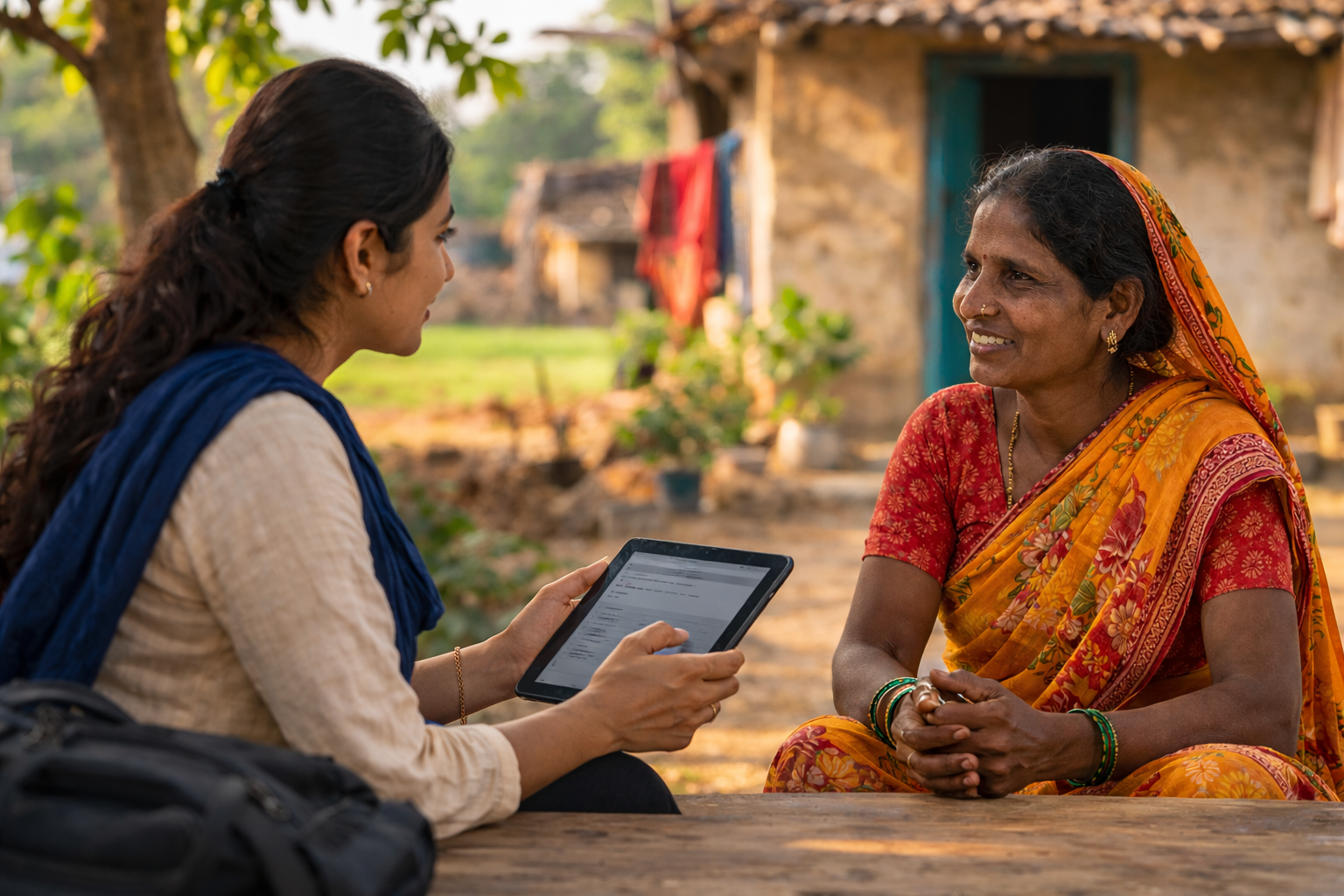
Quantitative research uses structured surveys and digital data collection techniques to generate statistically reliable evidence for social research, program evaluation, and impact assessment.
Methods include:
• Household Surveys (CAPI – Computer Assisted Personal Interviewing)
• Telephone Surveys (CATI – Computer Assisted Telephone Interviewing)
• Online Surveys (CAWI – Computer Assisted Web Interviewing)

Qualitative Methods

Qualitative research helps understand community perspectives, behavioural insights, and social dynamics that influence development programs and policy outcomes.
Methods include:
Focus Group Discussions (FGDs)
In-Depth Interviews (IDIs)
Key Informant Interviews (KIIs)

Participatory Methods

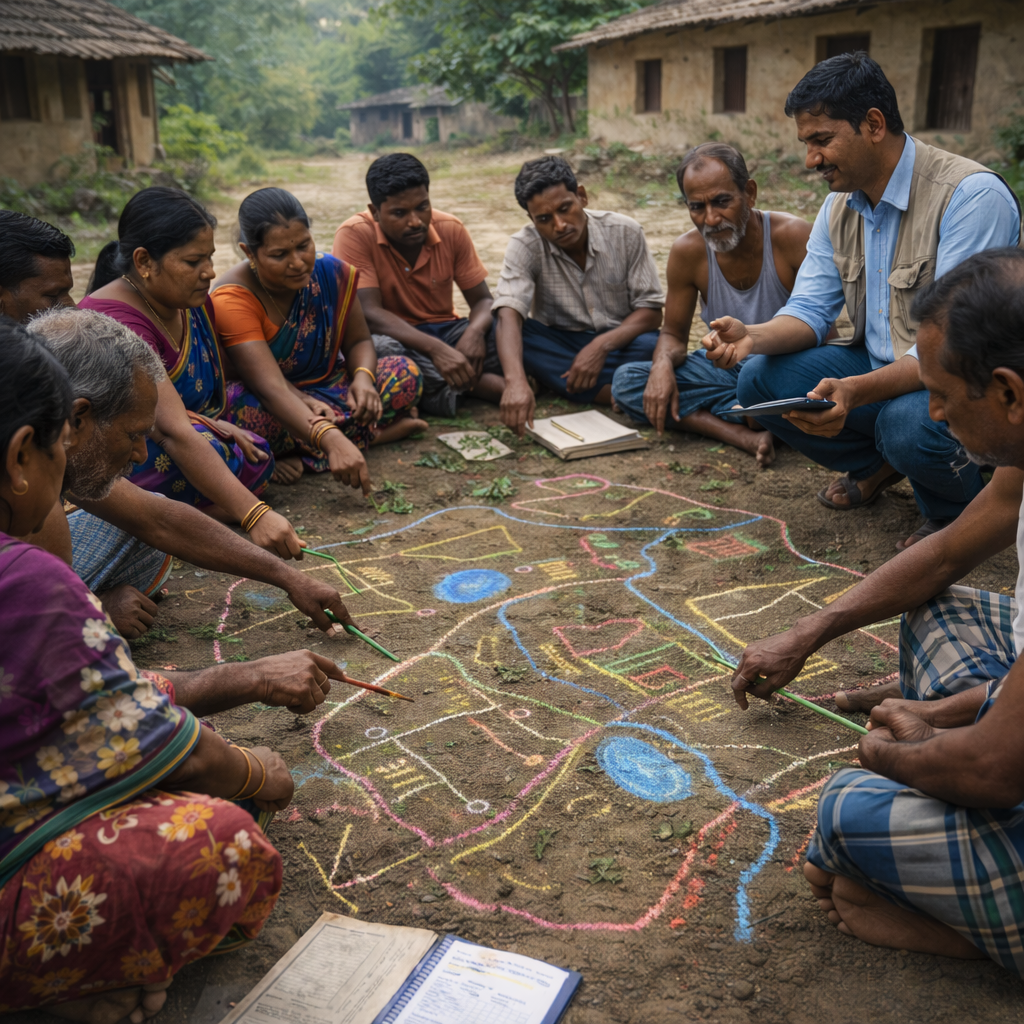
Participatory research approaches involve communities directly in identifying development challenges, setting priorities, and evaluating programs.
Methods include:
Participatory Rural Appraisal (PRA)
Community Mapping
Stakeholder Consultations

Turning Data Into Actionable Insights

We transform complex research data into clear insights, reports, and visualization tools that help organizations monitor programs, evaluate impact, and make evidence-based decisions.

Evaluation & Research Reports

Comprehensive research and evaluation reports delivering data-driven insights for evidence-based policy and program decisions.
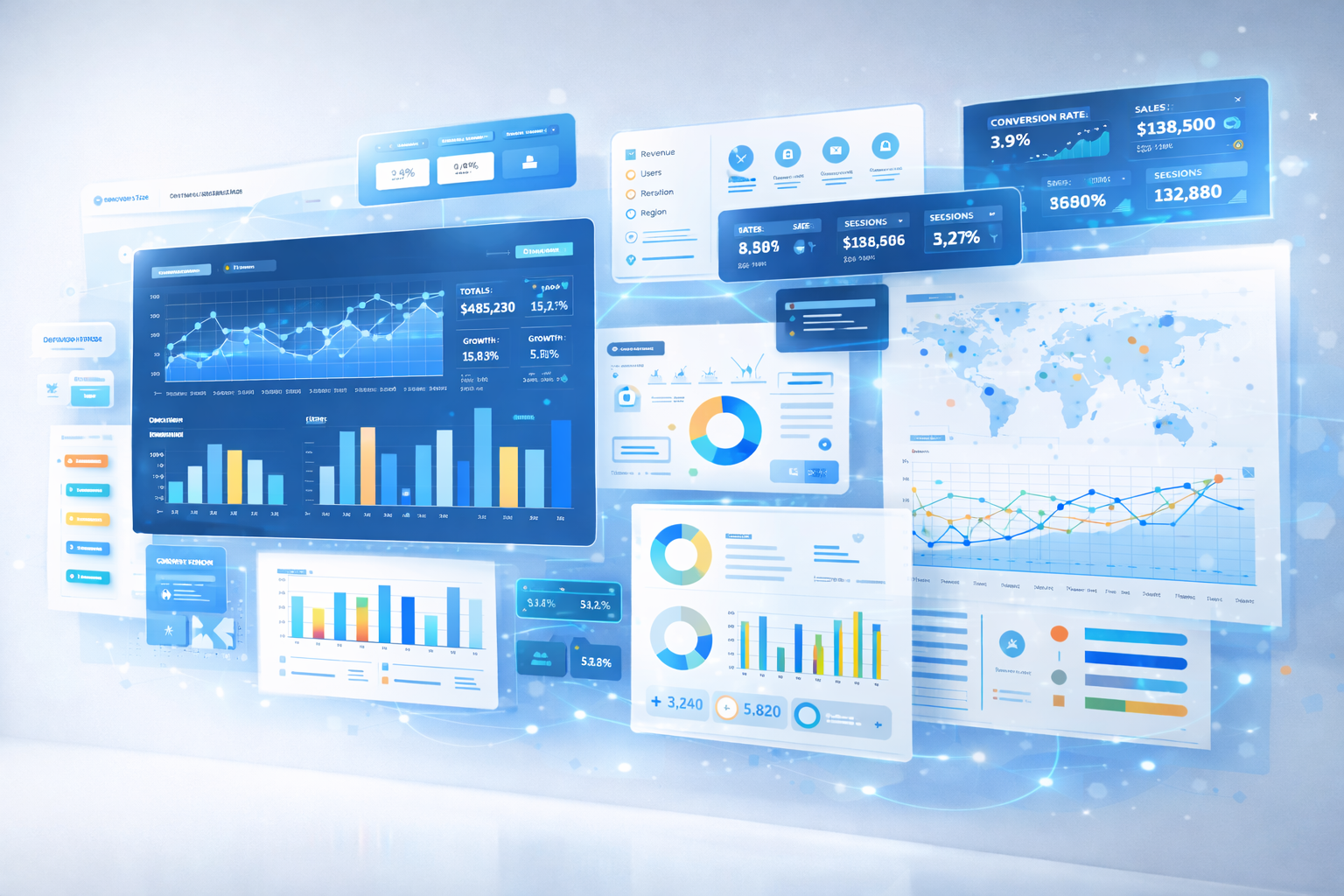
Interactive Data Dashboards

Interactive data dashboards that transform complex datasets into real-time insights for monitoring programs and tracking key indicators.
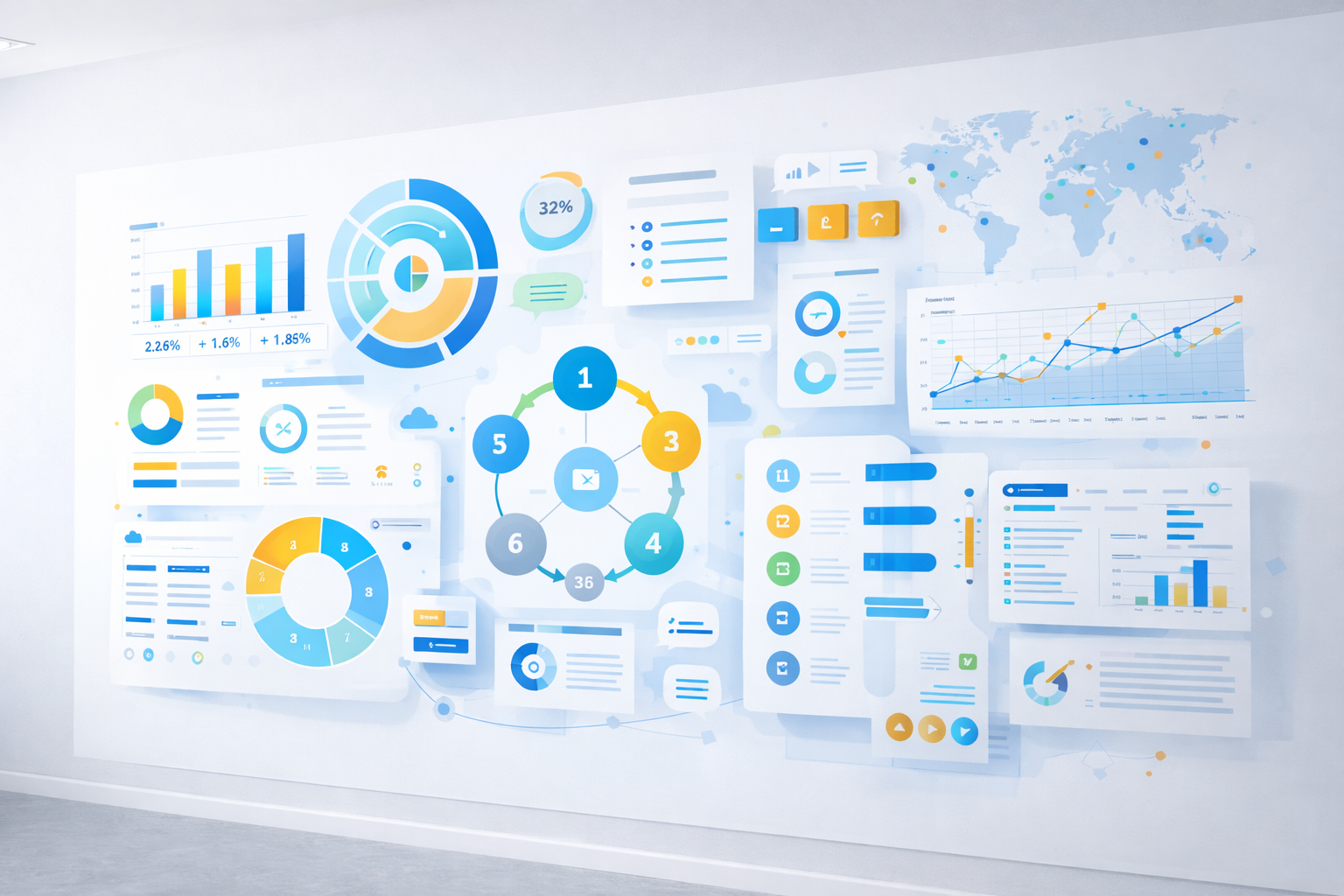
Data Visualization & Infographics

Clear data visualizations and infographics that turn complex research findings into simple, engaging, and decision-ready insights.

Data Storytelling and Insight Narratives

Transforming complex research data into clear insight narratives and data storytelling that support evidence-based decision-making.
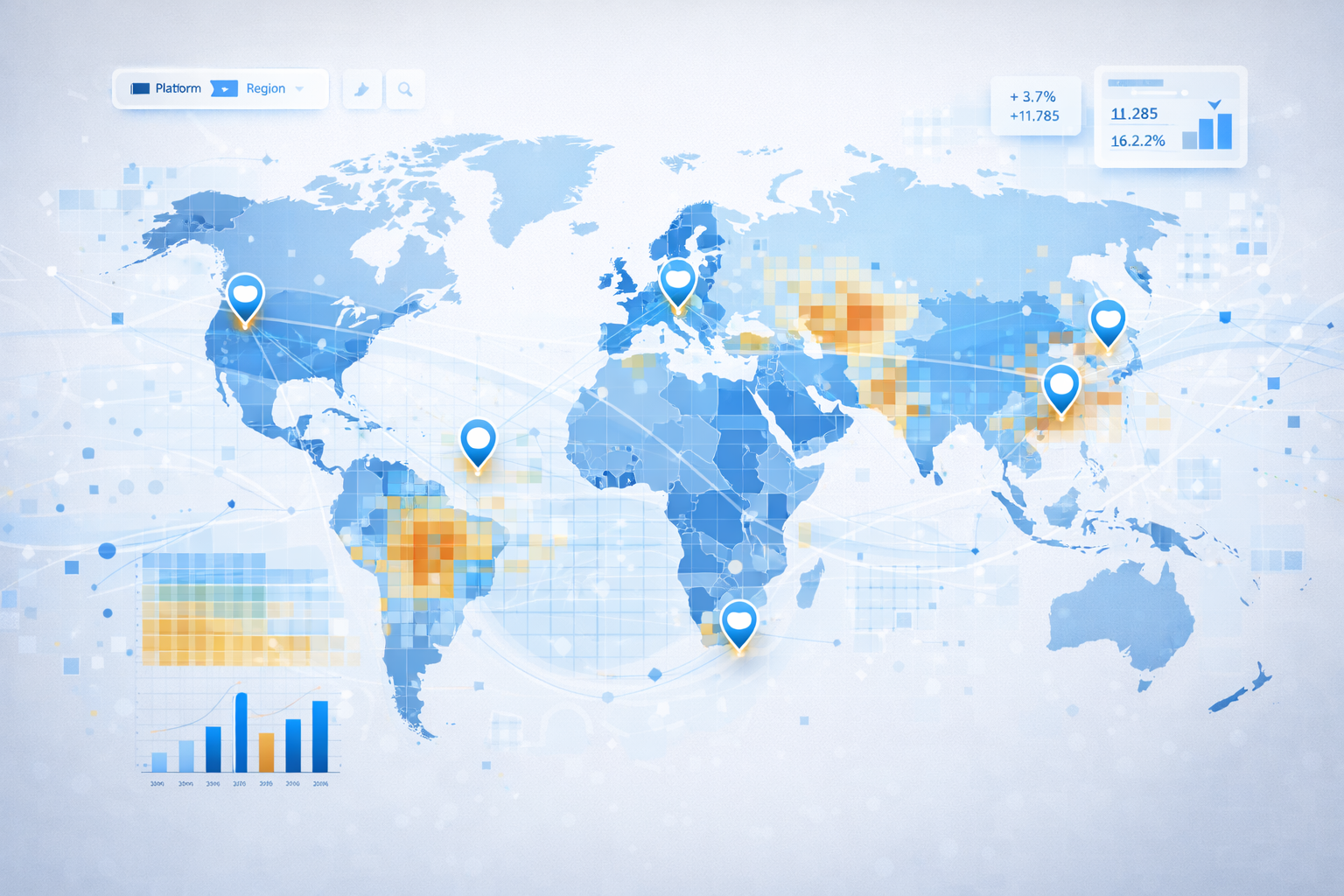
GIS Mapping & Spatial Analysis

Advanced GIS mapping and spatial analysis that visualize geographic patterns and development indicators across regions.
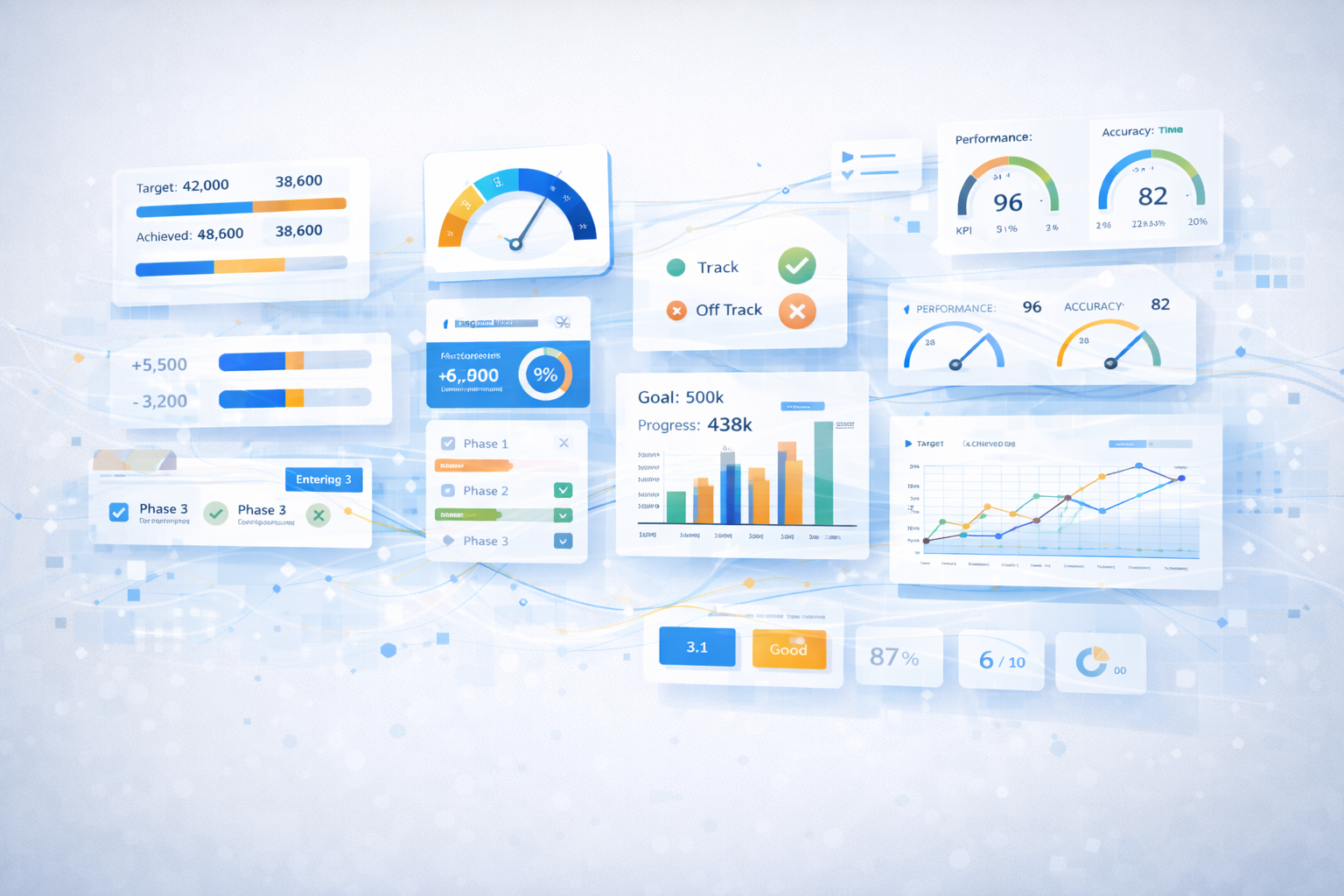
Indicator Tracking Systems

Real-time indicator tracking systems that monitor program performance, measure impact, and support data-driven program management.

Hybrid Research Panel for Rapid and Inclusive Data Collection

iKOnet operates a Hybrid Research Panel of 50,000+ verified respondents recruited through online platforms, telephone outreach, and field-based enrollment.
This blended approach enables researchers and development partners to reach urban, semi-urban, and rural populations efficiently.

The panel supports rapid perception surveys, program monitoring studies, behaviour research, and longitudinal tracking, ensuring reliable insights for evidence-based decision making across sectors.

Continuous Insight Tracking

The research panel enables rapid surveys, repeated studies, and continuous insight tracking to monitor social trends and program outcomes.

Longitudinal Perception Tracking

Longitudinal studies track changes in public perception, awareness, and behavioural patterns over time, enabling evaluation of development interventions.

Sector Expertise

Research Expertise Across Development Sectors

iKOnet Social conducts research and evaluation studies across multiple development sectors, generating evidence that helps governments, NGOs, and development agencies design effective programs and measure social impact.

Human Resource

Research supporting programs in health, education, nutrition, gender equality, and social inclusion, helping organizations understand community needs and improve development outcomes.

Natural Resources

Research on agriculture systems, rural livelihoods, environmental sustainability, and WASH programs to support sustainable rural development.

Policy & Governance

Research supporting policy analysis, governance systems, public opinion studies, and institutional strengthening for evidence-based decision-making.

Urban Development

Research supporting urban planning, municipal governance, infrastructure development, and city-level development programs.

Research That Drives Real Development Impact

Our research portfolio highlights evidence-based studies conducted across health, livelihoods, governance, and development sectors.
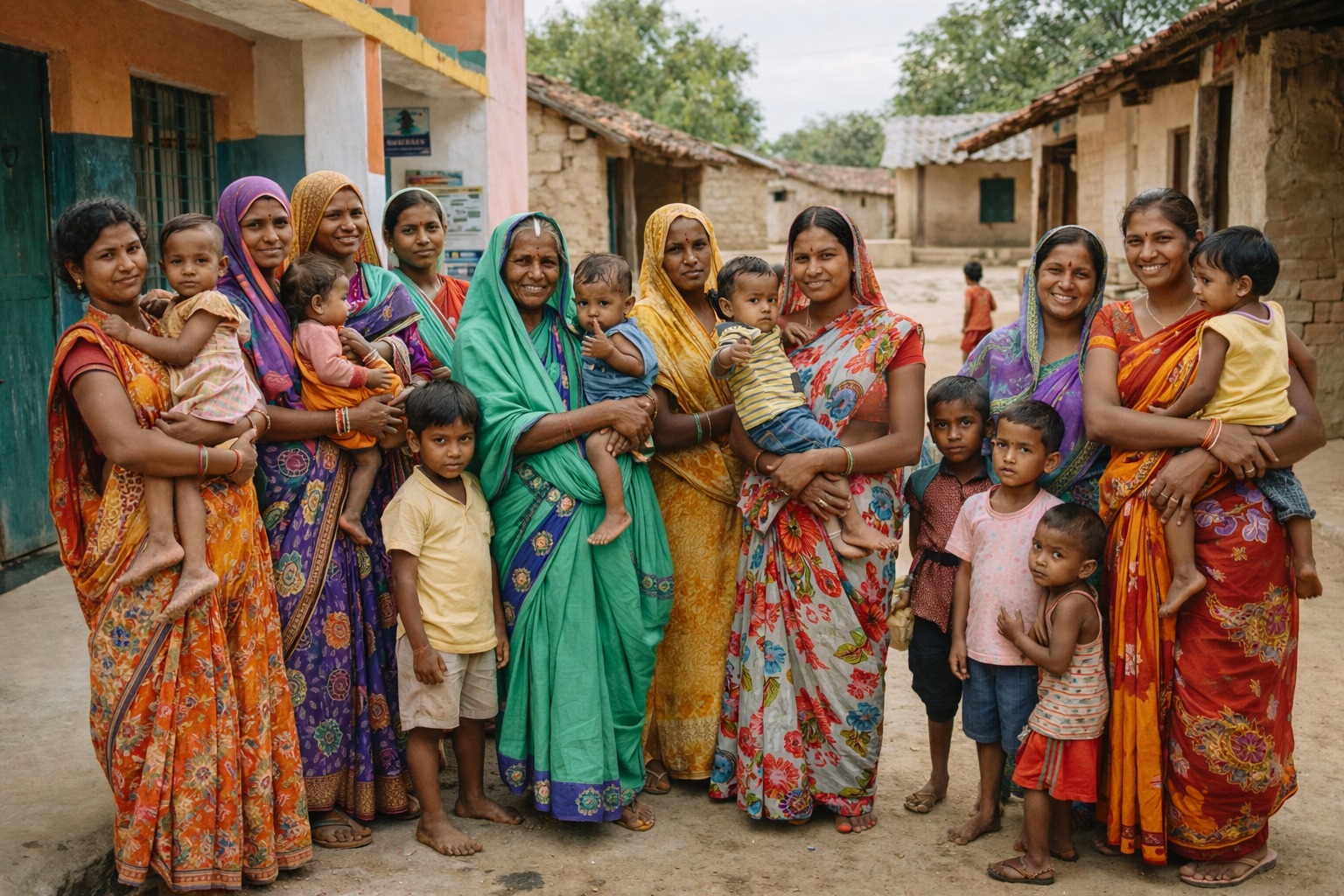
Determinants of Diarrhoea and Pneumonia Study

Public Health & Nutrition

UNICEF

Study of Student Attendance in SSA Schools

Education

MHRD

Sewerage and Sanitation Infrastructure DPR

Urban Planning & Infrastructure

Asansol Durgapur Development Authority
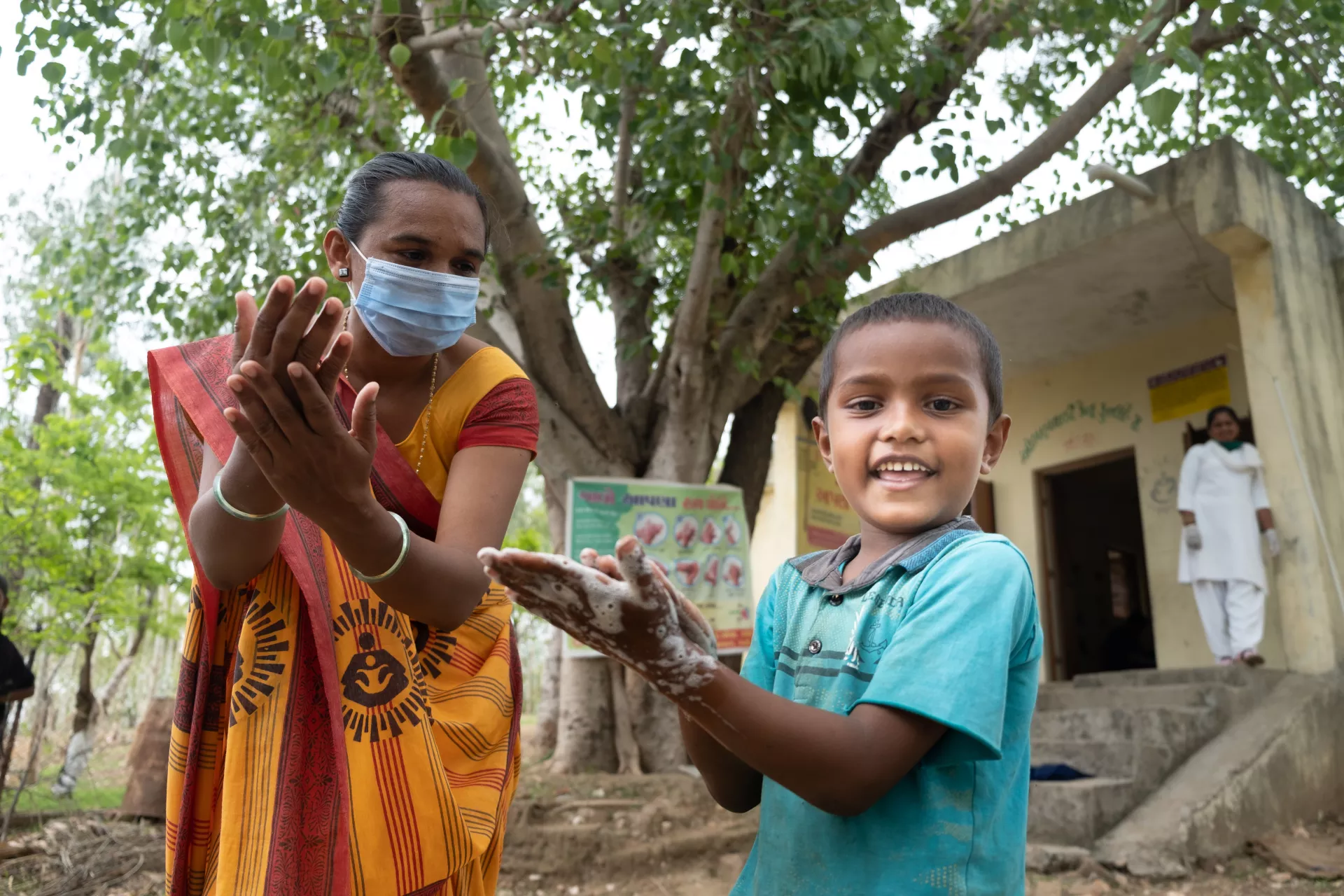
Sambalpur WASH Baseline Study

Water, Sanitation & Hygiene (WASH)

World Vision
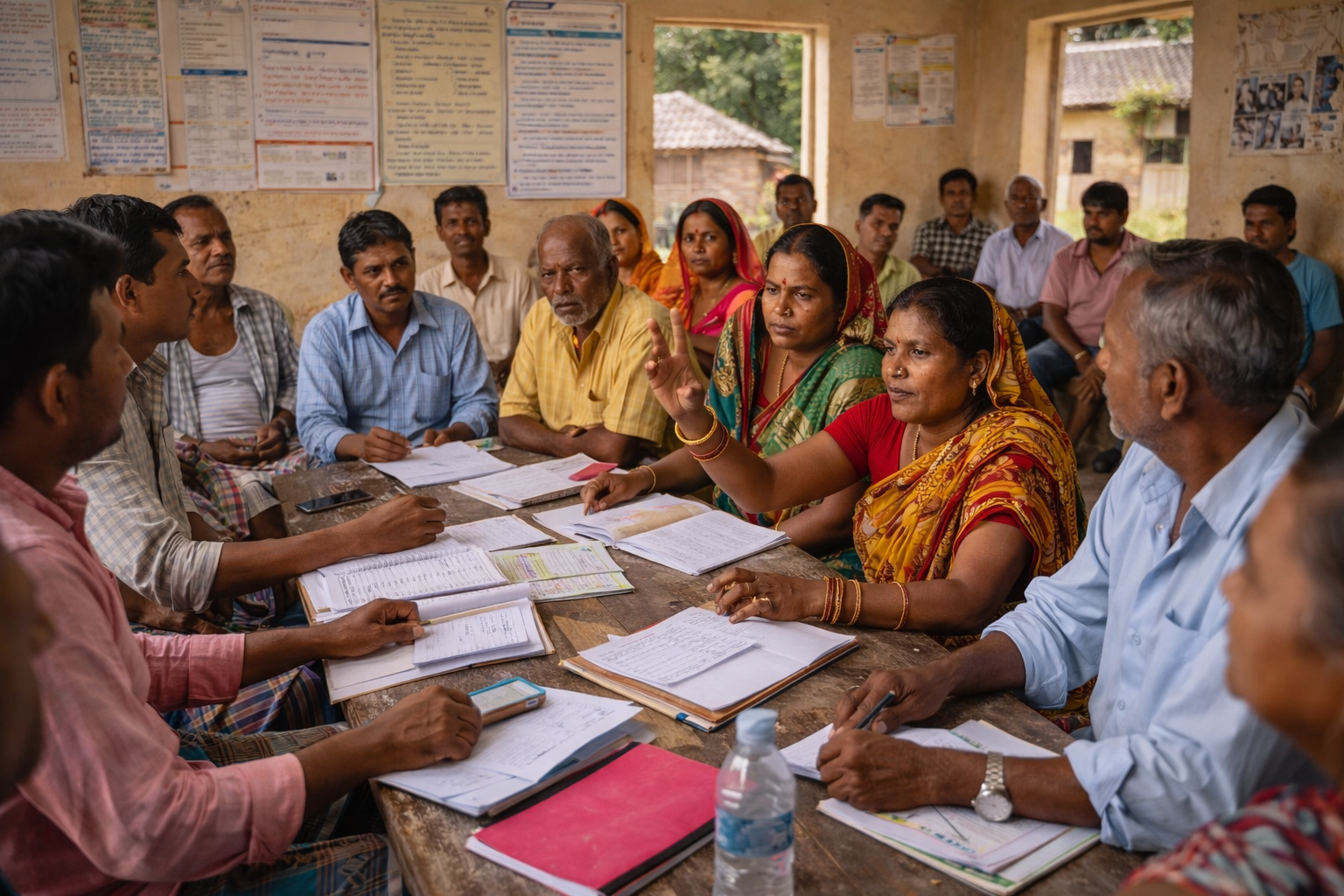
Land Rights and Tenure Security Research

Policy, Governance & Public Opinion

Landesa

GOAL India

Livelihood & Rural Development

Livelihood Profiling of East Kolkata Wetlands Communities

Article

Top Pick Artical

  • 01/ All Insights

Lighting Up Every Classroom: Powering India

An interactive CSR investment intelligence report exploring
school electrification trends across India using UDISE+
data and development sector insights.

Let’s Build Evidence That Drives Social Impact

Partner with iKOnet Social to deliver research, surveys, and program evaluations that support better development decisions.

This field is required.